Are You Drinking Enough Water? Keep It Simple
Oct 6, 2026
Are You Drinking Enough Water? Keep It Simple
It's 3 PM.
You're tired. Your head feels foggy. And then you realize:
“I've barely had any water today.”
Sound familiar?
At Fitness Together McLean, we don't think hydration needs a complicated formula.
But it does matter.
What Does Water Actually Do?
Water helps your body do its basic jobs.
It helps move nutrients around your body. It helps control temperature. It supports normal cell function and blood volume.
It also matters when you exercise.
Your nerves send signals to your muscles telling them to contract. Your body produces heat. You sweat to cool yourself down.
All of this works better when your body has the fluid it needs.
Can Hydration Help With Energy?
Think of water as part of your foundation.
Sleep. Food. Water. Exercise. Recovery.
Drinking water isn't an energy drink.
But when you're dehydrated, you may feel tired and exercise can feel harder.
So before assuming you need another cup of coffee at 3 PM, it's worth asking:
Have I eaten? Have I slept? And have I actually had anything to drink?
What Are Electrolytes?
Electrolytes are simply minerals.
Some important ones include:
Sodium, potassium, magnesium and chloride.
They help manage fluids and allow your nerves and muscles to work properly. Potassium, for example, plays a direct role in normal nerve transmission and muscle contraction.
We get electrolytes from food and beverages. We also lose some through sweat.
So Should You Put Electrolytes in Your Water?
Sometimes.
If you're training indoors for 45 minutes, eating normally and aren't sweating heavily:
Water is probably enough.
If you're hiking for hours, working outside, exercising in Northern Virginia summer heat or sweating heavily:
Electrolytes may be useful.
That's the key.
Match your drink to your activity.
What Should You Buy?
Here are a few ways to think about it:
Nuun Sport — A lighter option with 300 mg sodium and only 15 calories per tablet. Nuun Hydration
Liquid I.V. — More sodium, with regular and sugar-free options. This can be more useful when you're losing more fluid through sweat. Liquid IV
LMNT — Much higher in sodium. Think heavy sweating, longer exercise and hot conditions rather than automatically using it as flavored water.
Traditional sports drinks can also have a place during long workouts when you need both carbohydrates and electrolytes.
There's no need to label one product good and another bad.
Ask:
“What am I trying to replace?”
You Can Eat Your Electrolytes
Your diet matters too.
Potatoes, fruit, vegetables, beans and yogurt can provide potassium.
Nuts, seeds and whole grains can provide magnesium.
And sodium is already plentiful in many American diets.
For normal daily life, food + water often does the job.
A Simple Hydration Habit
Don't wait until bedtime and try to catch up.
Try:
Morning: Water when you get up.
Meals: Drink with each meal.
Exercise: Bring your water bottle.
Hot/sweaty exercise: Consider electrolytes.
That's it.
You don't need a complicated hydration schedule.
Want to Make Nutrition Easier?
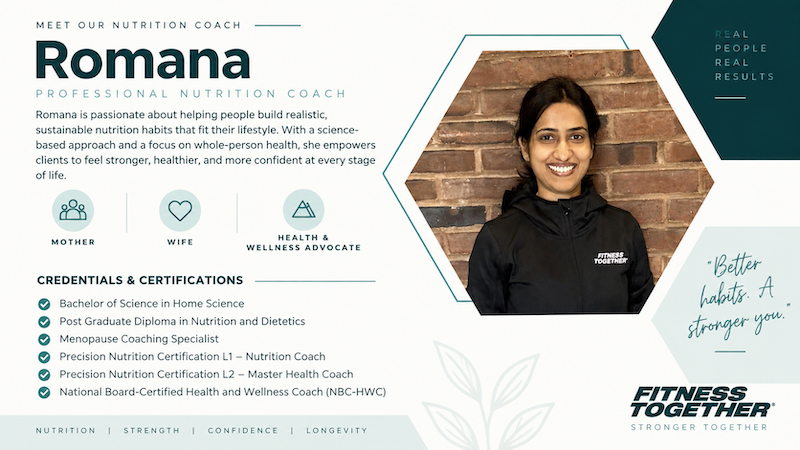
At Fitness Together McLean, nutrition coaching is about building simple habits you can repeat—not chasing the newest nutrition trend.
We can help you understand hydration, protein, portions, meal planning and the other basics that support your training and goals.
Interested in nutrition coaching in McLean, VA? Talk with our team to learn more.